What to Do if Your Adult Yorkie Dog Still Has Its Baby Teeth

If your Yorkie terrier still has baby teeth as an adult, arrange a veterinary dental examination. A baby tooth that remains as its permanent replacement erupts can crowd or displace the adult tooth and needs prompt assessment. See AAHA’s guidance on persistent baby teeth.

However, if your Yorkie’s adult teeth come in behind its baby teeth, this could cause problems. The adult teeth may come in crooked or overlapping the baby teeth, which can lead to gum disease or other dental issues. If you notice this happening, it’s best to take your Yorkie to the vet or a professional dog dentist for an evaluation. They can determine the best course of action, which may involve removing the baby teeth or taking other measures to ensure the adult teeth come in correctly.

In general, Yorkies and other small dogs often need particularly attentive dental care. Ask your veterinarian about home brushing and an appropriate schedule for dental examinations and cleaning.

The Yorkie terrier is a small breed, and crowded teeth can make plaque control more difficult. For Yorkie terriers, regular veterinary examinations and appropriate home care of their teeth are important. Periodontal disease is a more common dental problem in dogs than cavities. Read VCA’s overview of dental disease in dogs.

Dogs with retained deciduous teeth (commonly called “puppy teeth”) may have a variety of problems. A persistent baby tooth can displace its adult replacement, leading to crowding or an abnormal bite.

Crowding around a persistent baby tooth can trap food and plaque and contribute to gum disease. When its permanent replacement has erupted, prompt veterinary extraction of the persistent tooth is generally recommended. Your veterinarian should examine the teeth and bite to plan appropriate care. VCA explains persistent baby teeth and their treatment.


Have your veterinarian check your puppy’s teeth and bite as the permanent teeth erupt. These examinations can identify persistent baby teeth and crowding early, so treatment can be planned when needed.

As you can see, there are a variety of problems that can arise from retained deciduous teeth in dogs. It is important to be aware of these potential problems and to seek veterinary care if you notice any changes in your dog’s mouth. With proper care, your dog can enjoy a healthy mouth for years to come.


Dental risk varies among dog breeds and individual dogs. Small and short-nosed dogs can have crowded or rotated teeth that make dental care more demanding. Your veterinarian can assess your dog’s teeth and bite.

Dogs typically have two sets of teeth in their lifetime. The first set of teeth, called “milk teeth,” starts to come in around 3 to 4 weeks old. A dog’s milk teeth should be in by the time they’re 6 to 8 weeks old. Just like human babies, these teeth are eventually replaced with adult ones.

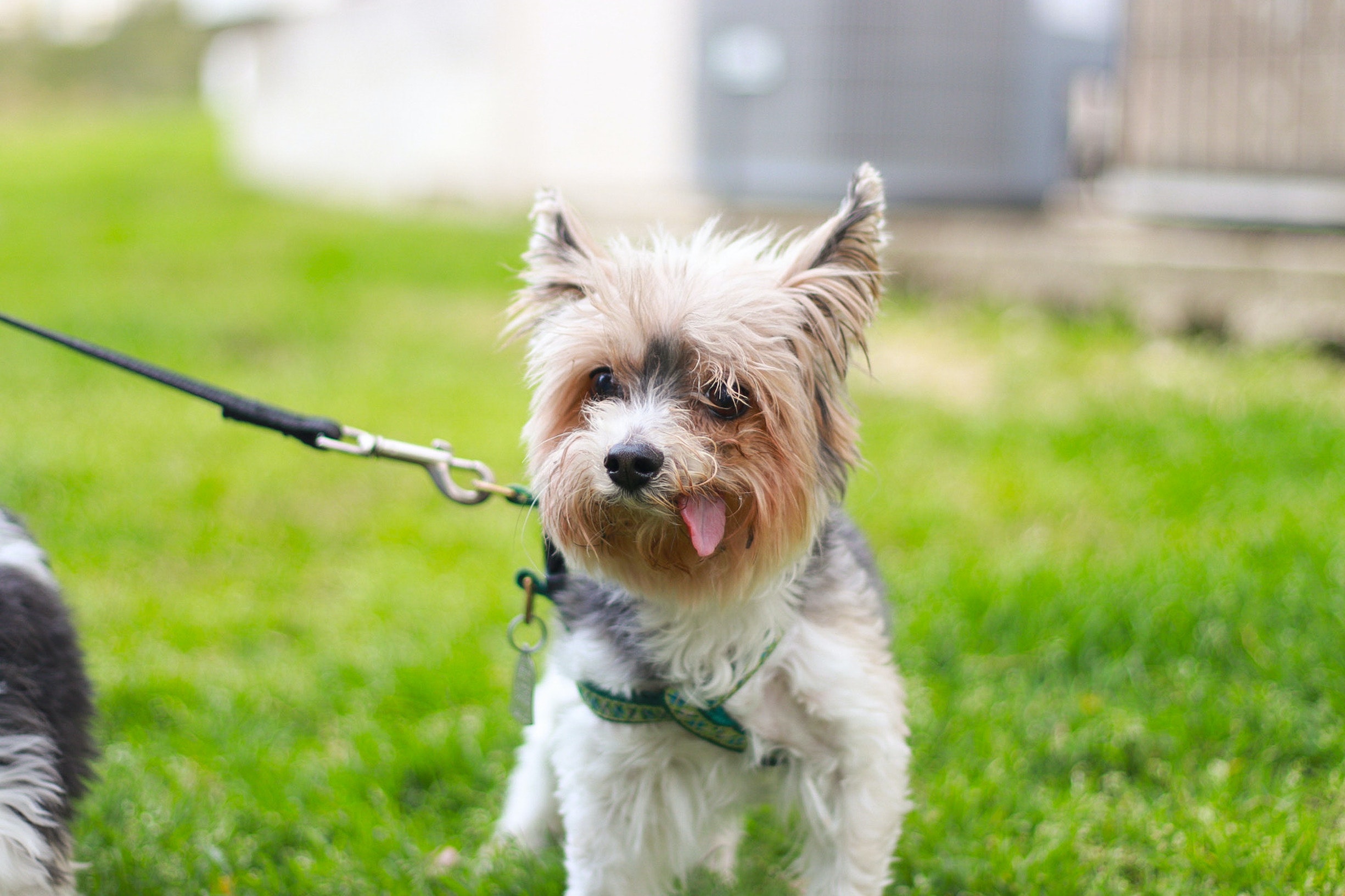
 

Adult dogs have 42 permanent teeth.


The second set of teeth usually starts coming in when a dog is around four to five months old, and most dogs have their full adult set by about seven months. Have your veterinarian check the developing teeth rather than waiting for a baby tooth to fall out after its adult replacement appears. Merck explains canine dental development. Some dogs, however, may retain one or more of their baby teeth (deciduous teeth). Canine teeth are the most commonly persistent baby teeth, although other baby teeth can remain too.


=> Even one persistent baby tooth deserves veterinary assessment. If there is no permanent replacement, the veterinarian can use dental imaging and an examination to decide whether the tooth can remain healthy or needs treatment.


=> Baby teeth and adult teeth are different sets: puppies usually have 28 deciduous teeth, while adult dogs usually have 42 permanent teeth. A baby tooth that remains beside its adult replacement needs veterinary assessment.


=> Ask your veterinarian about appropriate home dental care during teething. Puppies may find brushing uncomfortable while baby teeth are falling out, so avoid painful or stressful brushing sessions. Your veterinary team can help you introduce brushing and plan dental checkups.


=> Baby teeth may be small, but they’re essential! Taking care of them now will help ensure that your dog has a healthy mouth for years to come.


Bad breath should not be dismissed as a breed trait. Periodontal disease is a common cause, but a veterinary examination is needed to identify the cause in an individual dog. VCA explains bad breath in dogs.

Periodontal disease affects the tissues that support the teeth. Treatment depends on the veterinary examination and may include professional cleaning under anesthesia and treatment of affected teeth. Antibiotics are not a substitute for dental treatment and are not routinely needed for every dental procedure. Contact your veterinarian about persistent bad breath rather than waiting for home care to resolve it. See AAHA’s guidance on dental antibiotic use.

Yorkie Terrier adult coloring book banner

Cute Yorkie Terrier Coloring Page – Free Download

Home/Free coloring pages/Free Cute Yorkie Coloring PagesClick image to enlargeClick a thumbnail to explore, or enlarge an image for a closer look.Free printable coloring pagesFree Cute Yorkie Coloring PagesBring a charming Yorkie to life with your favorite colors. Choose from a mandala and two cute

Read More »

DIY Yorkie Cupcake Topper

Home/Free coloring pages/DIY Yorkie Cupcake Toppers Click image to enlarge Click a thumbnail to explore, or enlarge an image for a closer look. Free digital craft template DIY Yorkie Cupcake Toppers Print, cut and add a little Yorkie charm Make a Yorkie-themed birthday or celebration

Read More »