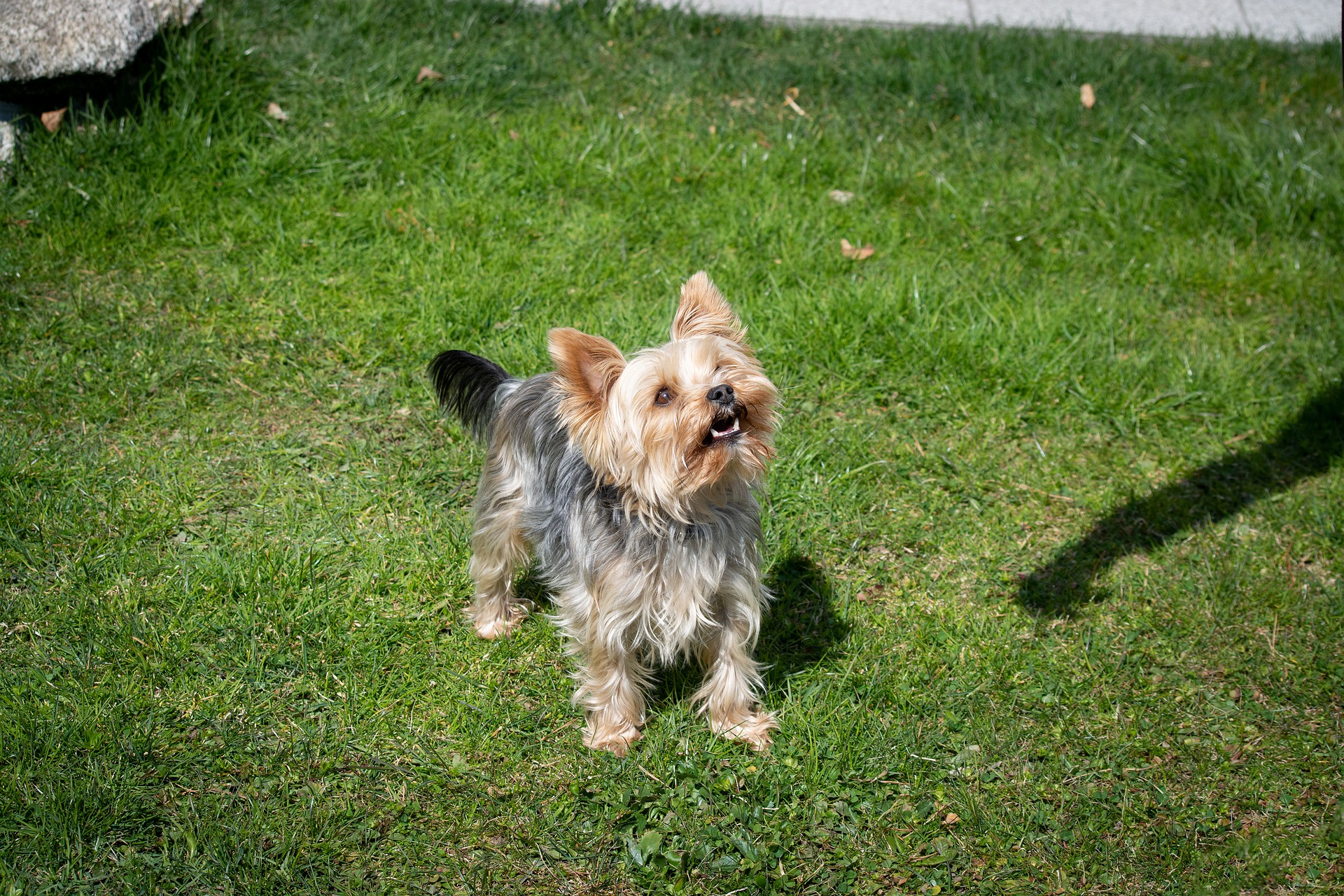
3 Important Things To Remember When Training Your Yorkie Terrier Puppy
The thing we all love about puppies the most is the way they live for us, the way they focus all they have on us, the way our lives become theirs. in the beginning, they study us to learn our body language, our facial expressions and our language. Until we teach them the English language, it’s all they have. If we say, “Wanna go out?” one day, “Have to go potty?” the next day, and, “Hafta pee?” the third day, if they DO figure out what we want, it is because we have picked up the leash and moved toward the door with a happy face! Consistent cues can make training clearer for your puppy. Pick a command for EACH behavior and stick with it. Tell all in your family to use the same words and commands, and your puppy will amaze you at how much faster he learns.
The younger your puppy is, the faster he is growing, the more food and water he needs to fuel his metabolism, and the more often he has to go potty. Do not punish your puppy when he makes a house-breaking mistake. Accidents are part of learning; review supervision and toilet-break timing calmly. Your puppy’s age in weeks and his breed size determine how often he must go out. Once an hour is not too often for a large 6-week old puppy, especially if it is summertime. Do not expect complete housetraining by 7–8 weeks. Puppies need frequent toilet breaks, consistent rewards and time to develop bladder control; progress varies. See AAHA’s guidance for new puppy owners. Right after a nap, after he eats and after grooming are the key times, and he will signal you. If he is happily chewing a toy and gets up suddenly with his nose to the floor, move quickly! And every time he goes potty outside, praise him to high heaven! “What a good BOYY!”, “GOOD go potty!” and the like. Dogs love our happy faces, and they will do anything to get it.
Prevent mistakes where possible and reward the behavior you want. For toileting accidents, clean up calmly and adjust supervision and toilet breaks. Use calm redirection instead of intimidation; the AVSAB trainer guide recommends humane, reward-based methods. Physical punishment is never necessary. Use consistent commands and loving praise and he will know what you want of him before you know. He will become a master of your body language and facial expressions in no time at all. Naturally there are many aspects of training your puppy well. Loving kindness works just as well for puppies as it does with children, creating a happy, well adjusted and obedient dog for life. These three important tips, used consistently with confidence, will start him well on his way.